 jamsed · · 3 min read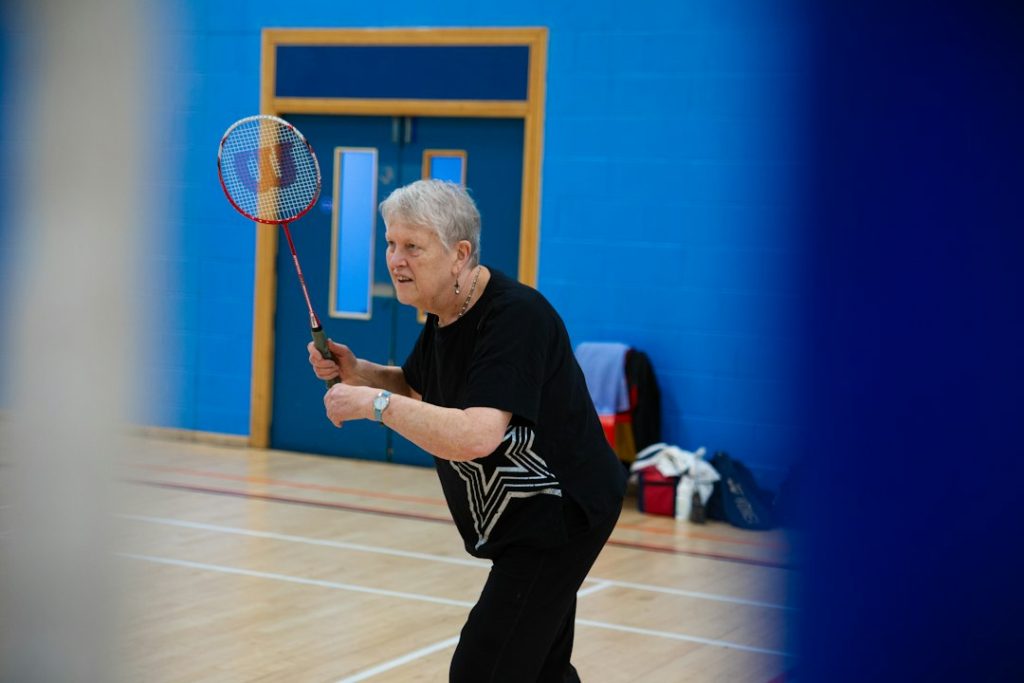
Picking up a new sport as an adult comes with a particular kind of hesitation that children rarely feel: the awareness that you might genuinely be bad at it for a while, in front of other people. That discomfort stops more adults from trying something new than any real physical limitation does.
A few practical steps make the start smoother.
Start with lessons or a beginner group, not a competitive one. Joining a casual, beginner-focused class — badminton, swimming, tennis, football — puts you alongside people at a similar stage, rather than alongside others who’ve played for years. Most cities have more beginner-friendly options than people realize; it’s simply a matter of looking specifically for “beginner” or “introductory” sessions rather than general open sessions.
Borrow or rent equipment before buying. It’s tempting to buy a full equipment set before your first session, but many sports have significant gear costs that aren’t worth committing to before you know whether you’ll stick with it. Most clubs and facilities offer rental equipment for exactly this reason.
Expect the first few sessions to feel uncoordinated. This is normal, not a sign you’ve chosen the wrong sport. Unfamiliar movement patterns take the body time to adapt to, regardless of your general fitness level — a trained runner can feel surprisingly clumsy in their first swimming lesson, and that’s expected, not a red flag.
Set a time-based goal, not a skill-based one. “I’ll attend six sessions” is a more sustainable early goal than “I’ll get good at this,” because the first is entirely within your control and the second depends on a timeline that varies enormously between people.
Find one other beginner to go with, if possible. Starting with a friend, colleague, or family member at a similar skill level makes the early awkward phase easier to push through, and significantly increases the odds of actually showing up to the second and third session.
The specific sport matters far less than actually starting. Most of the health and social benefits of sport come from consistent participation, not from choosing the “right” activity — so the best sport to start with is usually whichever one you’re most likely to actually show up for.
This article is for general information only and isn’t medical advice. If you have specific health concerns, please consult a qualified healthcare professional before starting a new physical activity.
— Brought to you by Onyx Digital Hub, a digital agency serving businesses across Bangladesh and Saudi Arabia.