
 jamsed · · 2 min read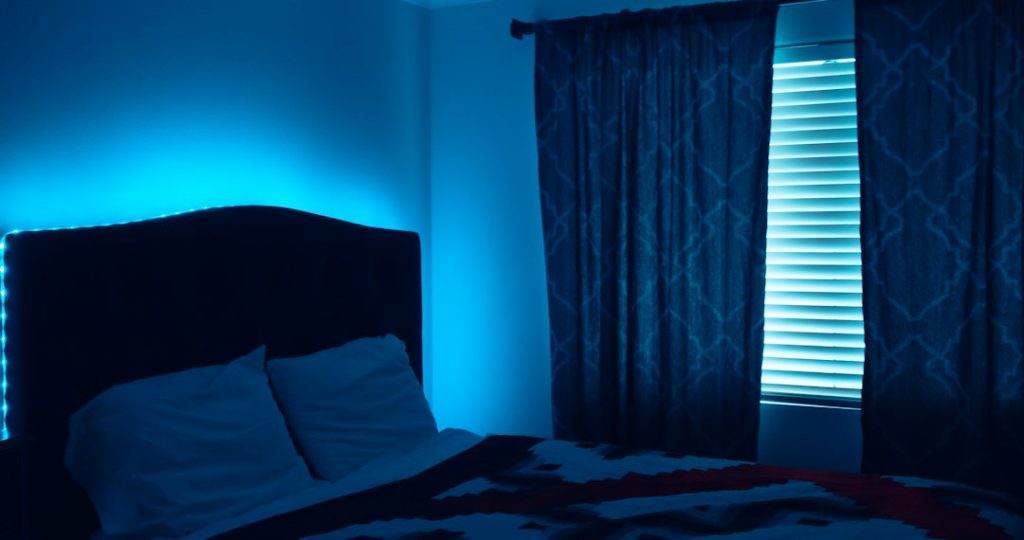
Most of us have heard the advice to get seven to nine hours of sleep a night. It’s accurate, but on its own, it’s incomplete — because two people can sleep the same eight hours and wake up feeling very differently. Sleep quality turns out to matter nearly as much as sleep quantity.
Sleep moves through cycles, roughly 90 minutes each, that include both light sleep and deep, restorative stages. It’s during the deeper stages that the body does most of its physical repair, and during a later stage — REM sleep — that the brain processes memory and emotion. Waking up frequently, even briefly, can prevent these cycles from completing properly, which is why eight hours of interrupted sleep can feel far less restful than seven hours of unbroken sleep.
A few things commonly disrupt sleep quality without people realizing it:
Screens before bed. The blue light from phones and laptops can delay the release of melatonin, the hormone that signals it’s time to sleep, making it harder to fall into deep sleep even if you technically go to bed on time.
Caffeine later in the day. Caffeine has a longer half-life than most people assume — an afternoon coffee can still be affecting sleep quality hours later, even if it doesn’t noticeably keep you awake.
An inconsistent sleep schedule. Going to bed at wildly different times on weekdays versus weekends disrupts the body’s internal clock, which is part of why many people still feel tired even after sleeping in on a day off.
A room that’s too warm or too bright. The body naturally drops in temperature to initiate deep sleep; a warm room or residual light can work against that process.
A few practical adjustments tend to help most people: keeping a consistent wake-up time (even on weekends), dimming screens or stopping use an hour before bed, and keeping the bedroom cool and dark. None of these require special equipment or a big lifestyle change — just consistency.
If you’re sleeping the recommended number of hours but still waking up tired most days, it’s worth looking at sleep quality rather than assuming you simply need more hours.
This article is for general information only and isn’t medical advice. If sleep problems are persistent or affecting your daily life, please speak with a qualified healthcare professional.